Read the Land Before You Buy

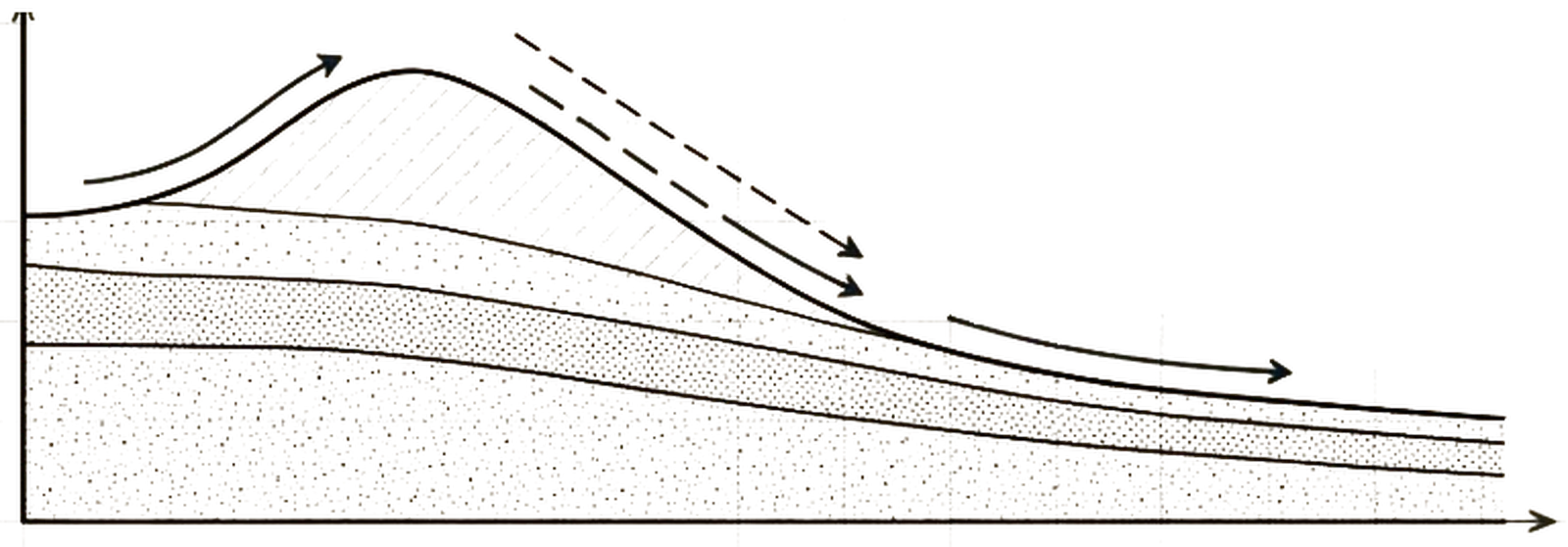
Hand-drawn cross-section of a sloping plot with soil layers and arrows showing how rainwater runs downhill Slope Drainage Soil Water
Fig. 1 — Rain follows the gradient, soaks into the weakest layer and collects where the ground flattens. That is where foundations get wet.

Five things to check on site

  • Slope and level difference across the plot
  • Groundwater depth after the monsoon
  • Soil type and how it holds a load
  • Where runoff enters and leaves
  • Access, outfall and site preparation

A plot can look perfect on a dry afternoon. Walk it with this list and the drainage problems show themselves long before the registration date.

Open the field notes
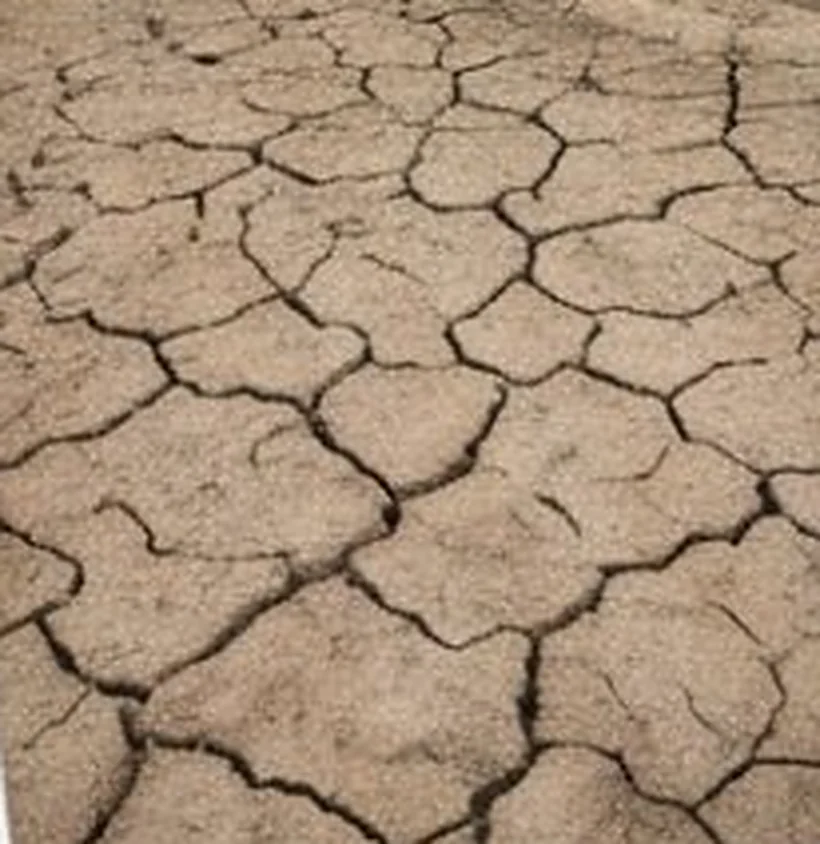
Dry ground split into deep polygonal shrinkage cracks
Observation No. 12Deep shrinkage cracks: expansive clay that swells in the rains and shrinks in summer.
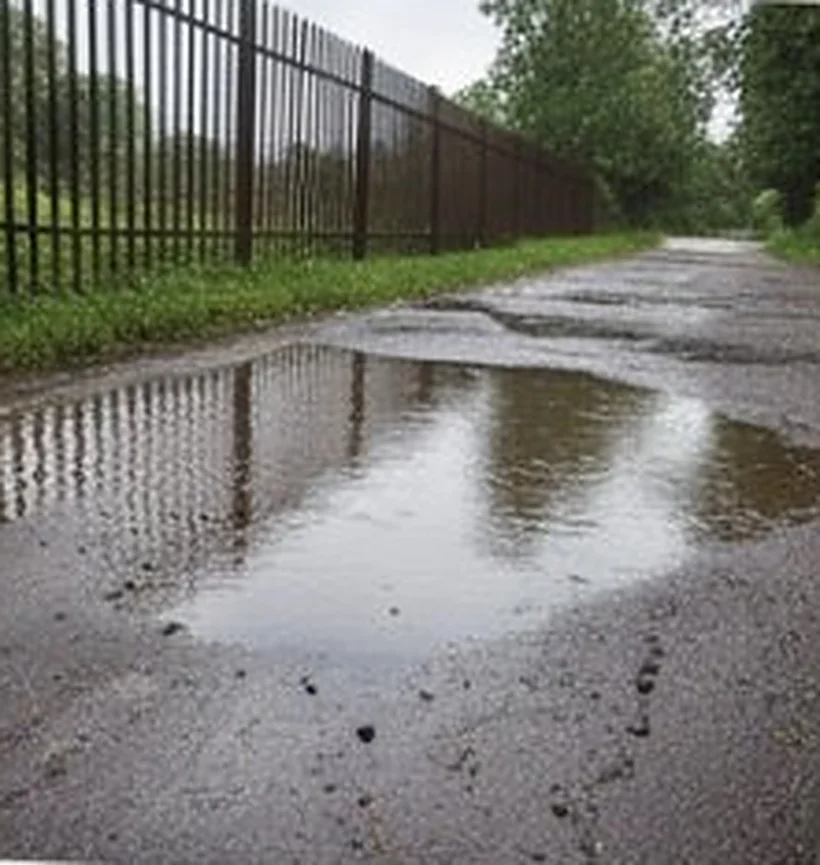
Rainwater pooled on the path beside a metal boundary fence
Observation No. 24Water standing by the boundary a day after rain: the plot sits low or the outfall is blocked.
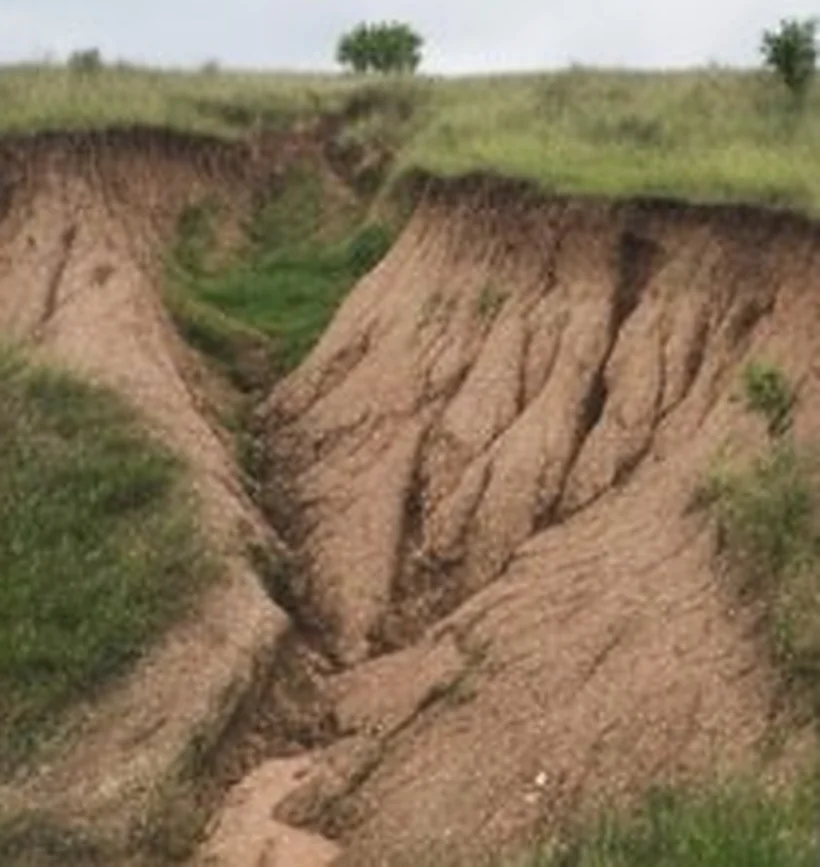
Exposed earth slope cut by a deep erosion gully
Observation No. 41Fresh gullies on bare ground: runoff is already carrying the soil away.

Field Log of Warning Signs

Most costly plot problems leave visible traces long before a builder arrives. Cracks, damp patches and washed-out edges are the land telling you how water behaves here.

Photograph what you see, note the date and the weather, and compare the plot again after the next heavy shower. Two visits in different conditions reveal more than any brochure.

Take your notes to the seller and your engineer: each sign has a known fix, but the cost belongs in your budget before you sign.

Latest Field Notes

Woven vs Non-Woven Geotextiles for Soil Stabilization

Выбор неподходящего геотекстиля — верный способ превратить хороший участок в постоянный источник проблем с основанием. В стабилизации грунтов тканый и нетканый геотекстиль решают принципиально разные задачи: тканые материалы обычно предпочтительнее, когда критичны прочность и армирование, а нетканые — когда на первом месте фильтрация, разделение слоёв и дренаж.

Why geotextiles matter in the first place

Геотекстиль — это проницаемое […]

All field notes →

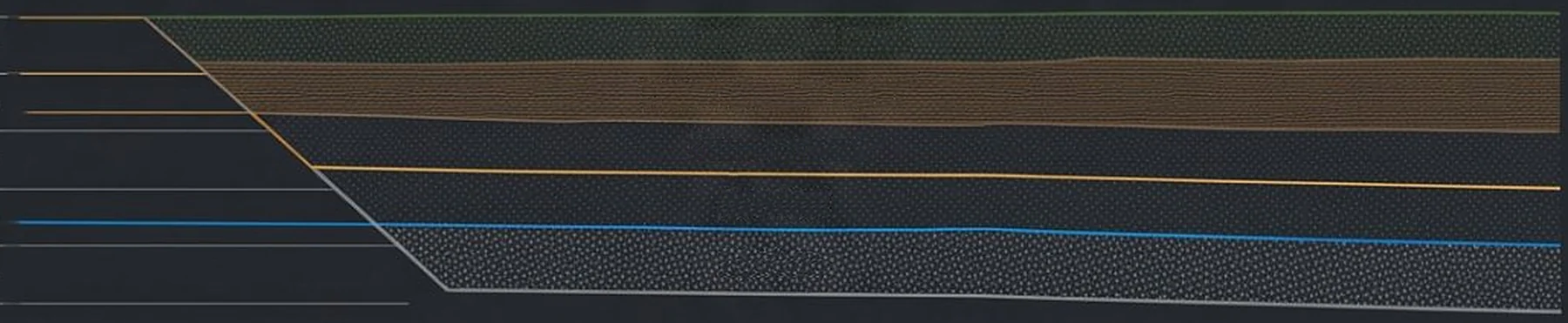
Cross-Section of a Well-Prepared Site

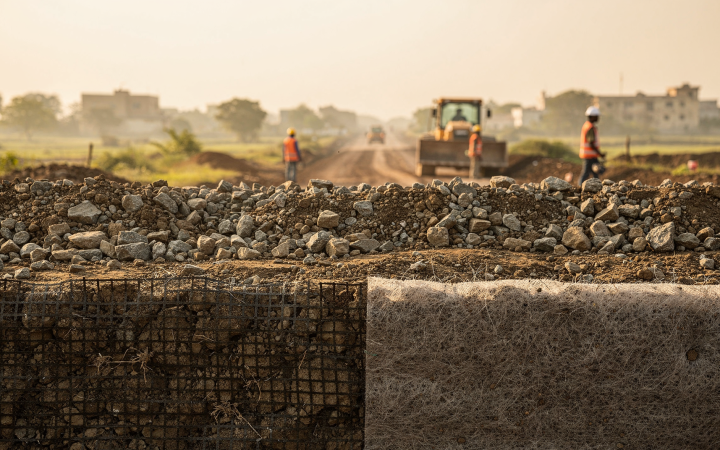
Layered cross-section of a prepared building site from topsoil down to a crushed stone bed Topsoil and turf Compacted subgrade Geotextile Drainage layer Crushed stone bed

Swipe sideways to see the full section →

Separate

A geotextile sheet keeps fine soil out of the stone layer, so the drainage bed stays open for years instead of clogging after one season.

Drain

Perforated pipe in clean gravel collects water below floor level and leads it by gravity to a safe outfall away from the house.

Compact

The subgrade is rolled in thin, damp layers. Even compaction is what stops a floor slab from settling and cracking unevenly.

Slope Reference Table

Surface typeRecommended slopeField note
Ground next to the house2–5%Falls away from the walls so roof water never reaches the plinth.
Paved courtyard1–2%Enough to clear puddles without feeling tilted underfoot.
Driveway and access roadup to 10%Steeper grades need a rough surface and a drain at the gate.
Earth drain side walls1 : 1.5Gentle sides resist collapse in loose or sandy soil.
Perforated drain pipe0.5–1%Keeps water moving without scouring the gravel bed.
Natural ground for buildingunder 10%Steeper plots usually need terracing or retaining walls.

Values are common planning guidelines. Confirm the final levels with your engineer for the soil on your plot.